Explore the 11 categories in the LoloBuy spreadsheet. Compare styles, check measurements and know which details to look for in seller and warehouse photos.
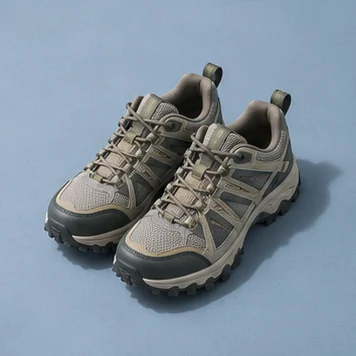
Browse everyday sneakers, court styles, running silhouettes, basketball shoes, slides and clogs. Think about when and where you will wear the pair first. The outsole shape, upper construction and cushioning matter more for long days on your feet than they do for a pair you mainly wear with a particular outfit.
Styles and details to compare
Low-top sneakers leave more room around the ankle. Mid- and high-top styles can change how the shoe sits under a trouser cuff.
Mesh and knit uppers reveal more of their shape in on-foot photos. Smooth leather or synthetic panels are easier to inspect in well-lit close-ups.
Slides and clogs often fit differently from lace-up shoes. Look for the seller’s guidance on foot length, width and half sizes.
Size and measurements
Measure both feet while standing and use the longer measurement in centimeters. Match that figure to the listing’s size chart. An insole measurement and a recommended foot length describe different things, so check which one the seller provides.
Warehouse QC
Compare both shoes side by side. Ask for clear views of the toe shape, heel alignment, outsole, lace eyelets and size labels. Compare both size labels with the selected variant and check the soles for glue gaps or damage.
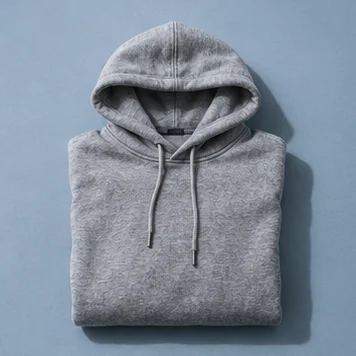
This category includes pullovers, zip hoodies, crewneck sweatshirts and knitwear. Choose based on how you want to layer the piece and how much structure you want. A lined fleece, a loopback sweatshirt and a loose knit can look similar in a thumbnail but feel very different on the body.
Styles and details to compare
Compare full-zip and pullover styles if you want a layer that is easy to take on and off.
Look for the listed fiber composition and interior photos to distinguish brushed fleece, loopback jersey and knitted fabric.
Boxy cuts usually put more width through the body. Look at the hem opening and length if you want the sweatshirt to sit at the waist.
Size and measurements
Lay a sweatshirt you like flat and measure chest width, body length, shoulder width and sleeve length. On raglan styles, compare the measurement method on the chart before using sleeve length to judge fit.
Warehouse QC
Inspect the inner fabric, cuff ribbing, hood shape, drawcord and zip alignment. For prints or embroidery, compare placement and alignment. Check the size and care labels against the order, and look for missed stitches at the armholes.
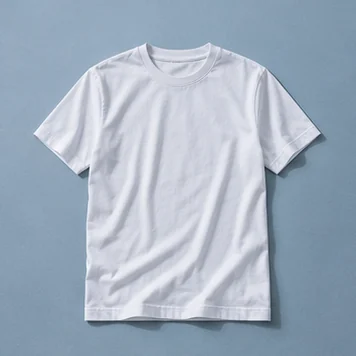
Use the T-Shirt category for plain basics, graphic tees, athletic tops and short- or long-sleeve layers. Start by deciding whether the tee should hang loosely, sit close to the body or layer neatly under a jacket. Product photos and measurements together give a better idea of the cut than the size label alone.
Styles and details to compare
A standard cut and a dropped-shoulder cut can share a chest width while fitting very differently around the shoulder and sleeves.
Look at fiber content, trim and fabric close-ups when you are comparing a thicker everyday tee with a lighter athletic top.
For graphics, check whether the design is on the front, back or both, and view the selected colorway at full size.
Size and measurements
Measure a tee flat from armpit to armpit and from the highest shoulder point to the hem. Compare those measurements with the seller’s chart and check sleeve length separately if you want a specific silhouette.
Warehouse QC
Check the neckline, hem and side seams, then look for an evenly placed print. For light colours, request an even-lit photo to spot stains. Use a flat-lay photo to check for a twisted side seam.
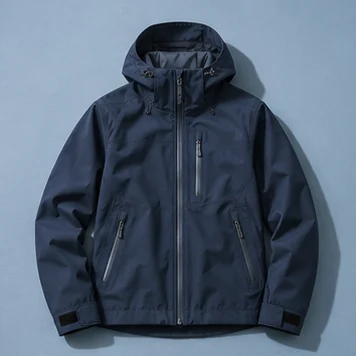
Compare windbreakers, track jackets, denim layers, padded coats and other outerwear. Look first at where you plan to wear the jacket and what needs to fit underneath. Details such as lining, pockets, cuffs and adjustable hems determine how practical the piece will be for your routine.
Styles and details to compare
Light shells pack down more easily. Lined and padded designs typically take up more room and need additional space around your layers.
Use close-ups to check collar shape, hood attachment, zipper pulls and whether exterior pockets close securely.
Check the listing for evidence of any claimed weather protection. Photos can show trim and seams, while performance depends on the construction.
Size and measurements
Measure the chest and sleeves of a jacket that already fits with the layers you wear most. For cropped and longer cuts, measure from the shoulder to the hem so you can compare coverage directly.
Warehouse QC
Ask for the jacket open and laid flat, plus views of the main zipper, cuffs, pocket lining and seams. For padded styles, check panel fill and look for exposed fibres. Verify both pocket interiors and the size label.
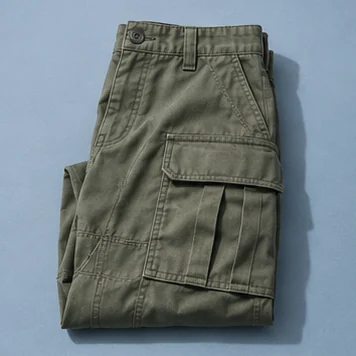
Browse cargo pants, jeans, joggers, track pants and shorts. Fit changes substantially with the rise, thigh width and leg opening. Decide whether you want a straight, tapered or wide leg and compare measurements before choosing a variant.
Styles and details to compare
Cargo cuts add pocket depth and may have more volume around the thigh. View the back and side seams when pocket layout matters.
With joggers, look for elastic or drawcord construction at the waist and cuffs. Compare the unstretched waist measurement where available.
For shorts, check the inseam and total length together to estimate where the hem will land on your leg.
Size and measurements
Measure a pair you already own across the waist, then measure front rise, inseam and leg opening. Check whether the chart lists flat width or full circumference. For woven fabrics, compare a garment with a similar amount of stretch.
Warehouse QC
Review the waistband, pocket closures and hems. Use a ruler photo to check the waist width and inseam when fit matters most. Compare both legs for matching hems and hardware. Check that the zip or fly is intact and that the size label matches.
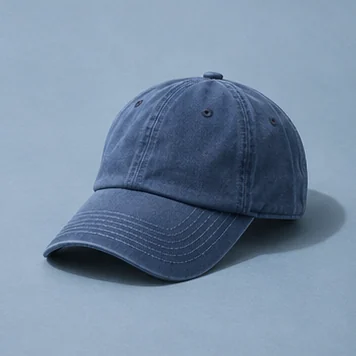
Explore baseball caps, trucker styles, beanies and other headwear. Crown depth, brim shape and the way the band adjusts have a noticeable effect on fit. A structured front panel holds a defined shape, while a softer cap can sit closer to the head.
Styles and details to compare
An adjustable strap gives more room to fine-tune the fit. Fitted styles depend more heavily on the stated circumference.
Compare mesh-back caps with solid fabric options for differences in ventilation and structure.
For beanies, look at the knit, the depth of the fold and how much stretch the listing describes.
Size and measurements
Wrap a soft measuring tape around your head where the band will rest. Compare that measurement with the stated size or adjustment range. Check crown height if you prefer a shallow cap or extra room at the top.
Warehouse QC
Look for an even brim, centered embroidery, a neat sweatband and secure adjustment hardware. A rear view helps verify the closure type. A side view helps reveal a crushed crown, uneven brim curve or a bent adjustment buckle.
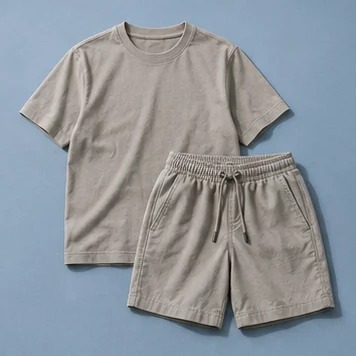
Browse coordinated tops and bottoms, including short sets, tracksuits and loungewear. The most important detail is what the chosen variant includes. Some listings group several pieces together, and a thumbnail of a full outfit may illustrate more than the option you are selecting.
Styles and details to compare
Confirm whether the selected option includes the top, the bottoms or both pieces.
Check if separate sizes can be selected. A matching set may use a single size even when the two pieces have different cuts.
Review fabric and color across the full outfit if you plan to wear the pieces together. Look for individual photos if you plan to style them separately.
Size and measurements
Compare chest width and top length with a shirt you own. Then measure the waist and inseam of a well-fitting bottom. Use both charts to select the size rather than relying on how one piece fits.
Warehouse QC
Ask for a flat lay showing both pieces, their size tags and their colors in the same light. Confirm both pieces are present, their tags match the order and their colours agree under the same lighting.
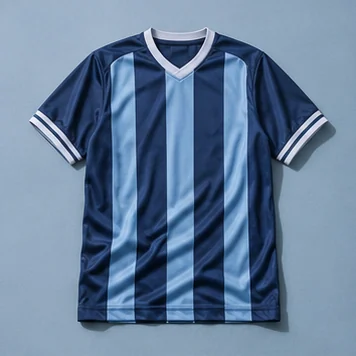
Browse football and other sports jerseys, including retro-inspired and contemporary designs. The same match design can appear in several sleeve lengths, fits or name-and-number options. Focus on the exact variant and size chart when comparing similar-looking listings.
Styles and details to compare
Use measurements to compare slim cuts with more relaxed jerseys. Product labels for fit can vary between sellers.
Check whether a shirt includes a name, number, sponsor print or patches by default or offers them as separate options.
Review the sleeve length, collar shape and full back view. Small trim differences often become clear in these photos.
Size and measurements
Measure shoulder width, chest width and body length across a jersey or tee that fits the way you want. Allow extra room if you plan to wear a base layer underneath.
Warehouse QC
Check the placement of stripes, printed numbers, patches and collar trim. Check the back for spelling and numbering, and look for lifting edges where a patch or number has been heat applied.
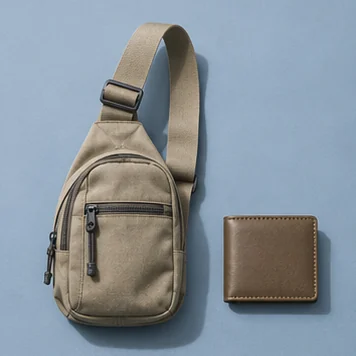
Explore smaller items such as belts, wallets, socks and gift sets. Compare dimensions and included pieces before ordering. These listings may share a thumbnail across different sizes, finishes or pack quantities, so the active variant deserves a closer look.
Styles and details to compare
For belts, check wearable length, width and buckle size. Compare the distance to the middle hole when the seller provides it.
For wallets and organizers, check the thickness, closure and card slot layout alongside overall dimensions.
For socks and gift sets, confirm size range, assortment, quantity and any included boxes or pouches.
Size and measurements
Use measurements from the item you are replacing or the space it needs to fit. Scale can be hard to judge in close-up photos, especially for buckles, wallets and small organizers.
Warehouse QC
Inspect corners, edges, seams and hardware from several angles. Request one photo of the full bundle to confirm the piece count, finish and any detachable hardware.
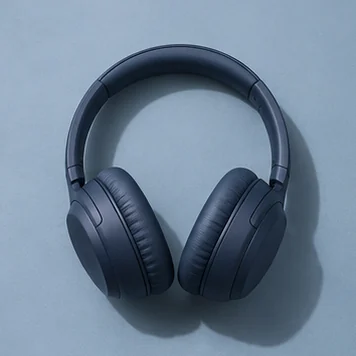
Use this category to compare headphones, cases and other electronic accessories. Exact model compatibility and package contents are more useful than a visual resemblance between products. Read the specific option attached to the listing before you use its reference price.
Styles and details to compare
Match the device’s full model name, connector and dimensions when checking whether an accessory will be compatible.
Compare the options for power source and included cables, adapters, or chargers. Look for a package contents photo or an explicit seller list.
Ask your agent about shipping options for products with batteries or other components that could affect the available routes.
Size and measurements
For fitted cases and covers, use the device’s specific version and dimensions. For headphones, consider ear cushion shape and adjustment range where available. Check the actual connector before ordering adapters.
Warehouse QC
Look for clear shots of the model label, ports, box and included accessories. Confirm the exact model and connector. If power or connectivity matters, ask the warehouse which functional checks are available.
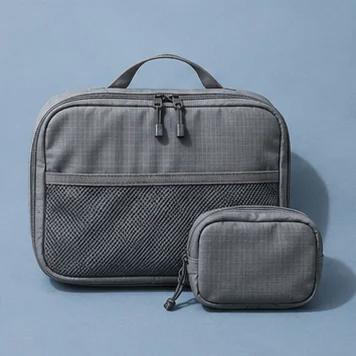
This category gathers miscellaneous items that do not fit neatly into the main apparel and electronics groups. Start with a specific use, such as a storage item, a small gift or an everyday accessory, then use the product name or Weidian ID to narrow the list.
Styles and details to compare
Read the listing’s dimensions and material description to judge how the product will fit into the space available.
Compare individual pieces, bundles and color options. Look for the package count and included components on each variant.
If shipping size or fragility matters, ask your agent for the packed dimensions and available packing options.
Size and measurements
Measure the intended space or compare against an item you already own. Check whether the seller measures the whole piece or just one section, such as the usable interior of a container.
Warehouse QC
Review the item from several angles and ask for a scale reference when required. Count the included parts and inspect packing, fasteners and fragile corners for transit damage.